From packed theme-group meetings to European policy workshops, hDMT has been on the move over the past month. Between 12 October and 5 November, we brought researchers together, supported early-career scientists, connected engineering and biology, and contributed to discussions on how human models can move from scientific promise to wider use. These activities reflect the different ways hDMT works towards a shared goal: turning collaboration into impact.
Building communities around shared challenges
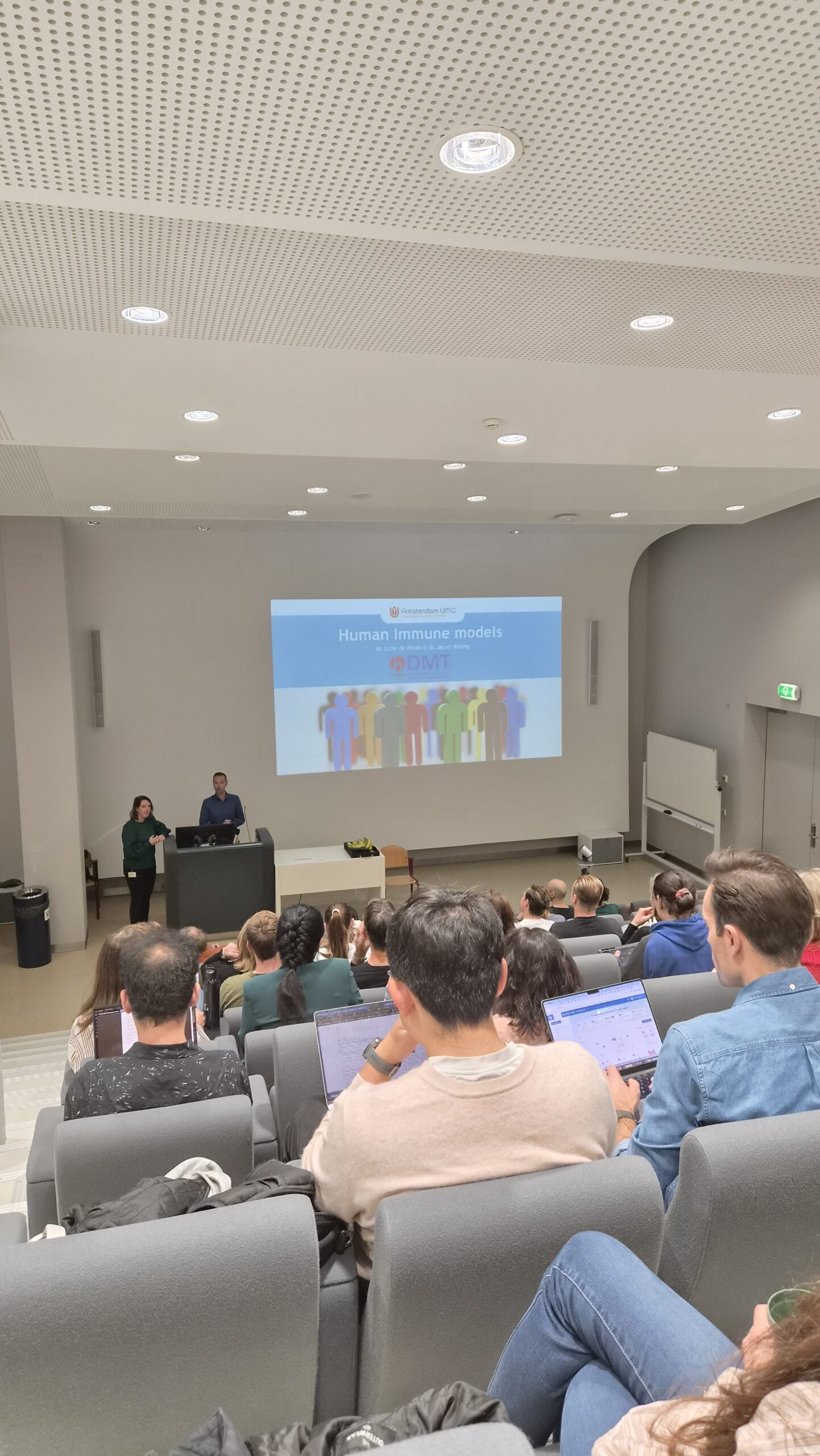
Connecting people is at the heart of hDMT. On 28 October, the first meeting of our Mucosal Barrier Modelling theme group brought together researchers working on lungs, gut, tonsils and skin in a fully booked room in Leiden. The new Human Immune Models theme group followed on 3 November, with researchers sharing results and discussing common challenges. On 5 November, our longest-running theme group, Heart, met in Leiden, where strong interest showed the continuing value of these exchanges. Across new and established groups, these meetings create space to share knowledge and explore connections across research areas.
Supporting the next steps in research
A strong community also needs opportunities to learn and develop. At the NOCI Retreat on 23 October, hDMT led a workshop on grant writing and valorisation for early-career organ-on-chip researchers. The session encouraged participants to think about their next steps, exchange practical tips and consider future collaborations. Earlier in the month, we joined the tenth meeting of the Global Education Hub for animal-free education in Utrecht, an initiative hDMT has been involved in since its beginning.
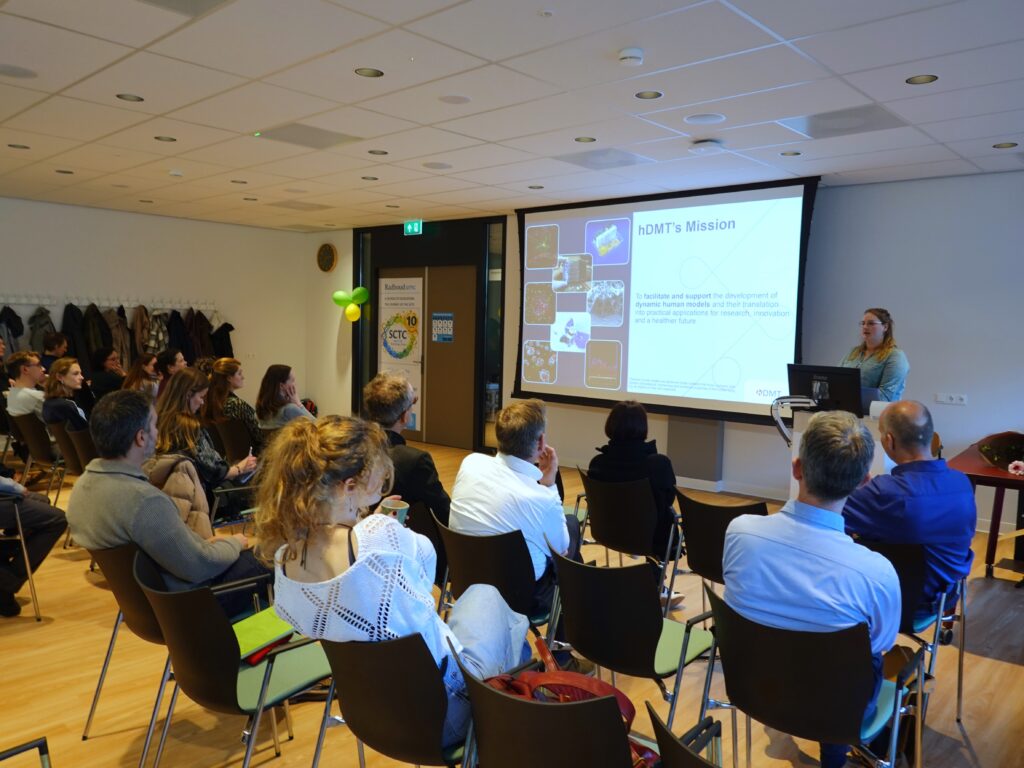
Collaboration was also the focus of our contribution to the Stem Cell Technologies Centre’s tenth-anniversary symposium in Nijmegen on 4 November. In our presentation, ‘From collaboration to impact’, we introduced hDMT’s work and invited the audience to build their own ‘dream team’ for impact. Meanwhile, at Human Measurement Models Day in The Hague on the same date, we joined researchers and funders to exchange progress on human-based models, with science communication also on the programme.
Connecting technologies with real-world use
Developing human models brings engineering and biology together. At iMNC in Enschede on 3 November, hDMT chaired the Bio-Engineering session, featuring contributions from Eindhoven University of Technology, the University of Twente, Leiden University and Delft University of Technology. Topics ranged from microchips and brain models to fibrosis-on-chip, higher-throughput 3D co-cultures and high-resolution fabrication for mechanobiology.
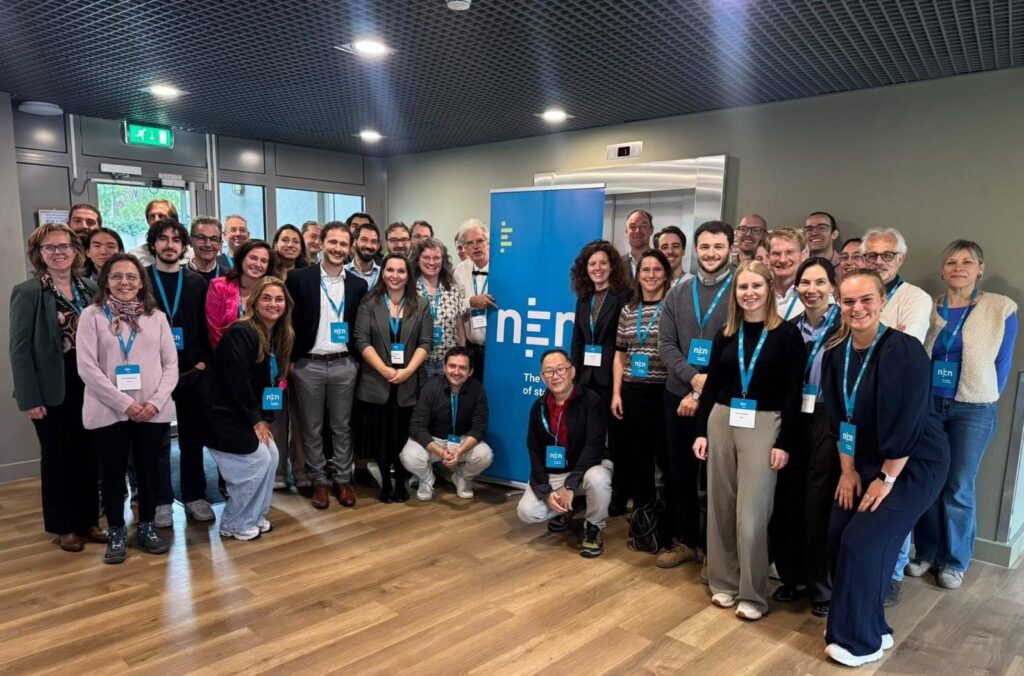
Making these technologies useful beyond the laboratory requires more than scientific advances. At the NEN NXTGEN Biomed Standardisation Day on 16 October, we contributed to discussions on standardisation as a route towards robust, comparable biomedical innovations and chaired several sessions. At the FAST annual meeting in Utrecht on 29 October, hDMT moderated a session on human preclinical models, introducing human dynamic models to a wider audience and facilitating discussion on their use.
Bringing the community’s perspective to Europe
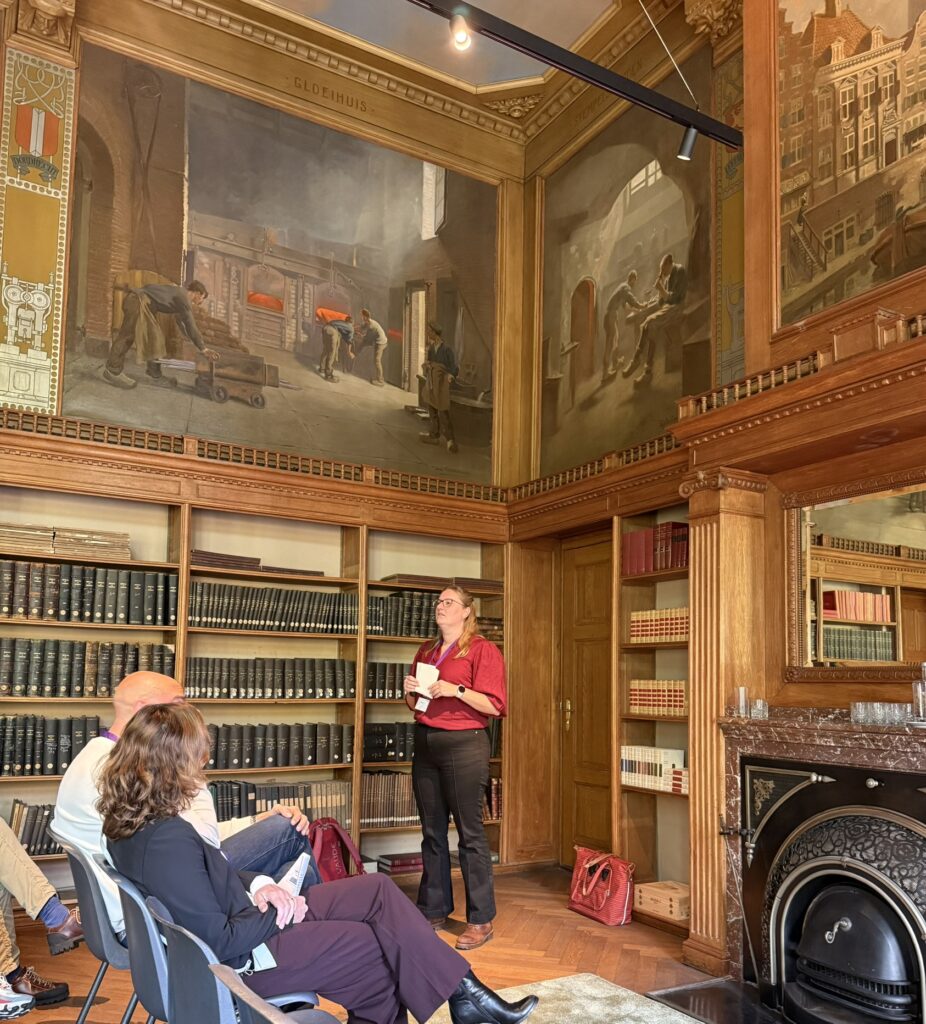
In Brussels, hDMT contributed to two initiatives addressing the future of New Approach Methodologies (NAMs). As an invited expert at the BioMed21 workshop on 28–29 October, we joined discussions on embedding NAMs strategically within Horizon Europe 2028–2034. The focus extended across the innovation pathway: from research and validation to regulatory uptake, scale-up and the investment needed to support implementation.
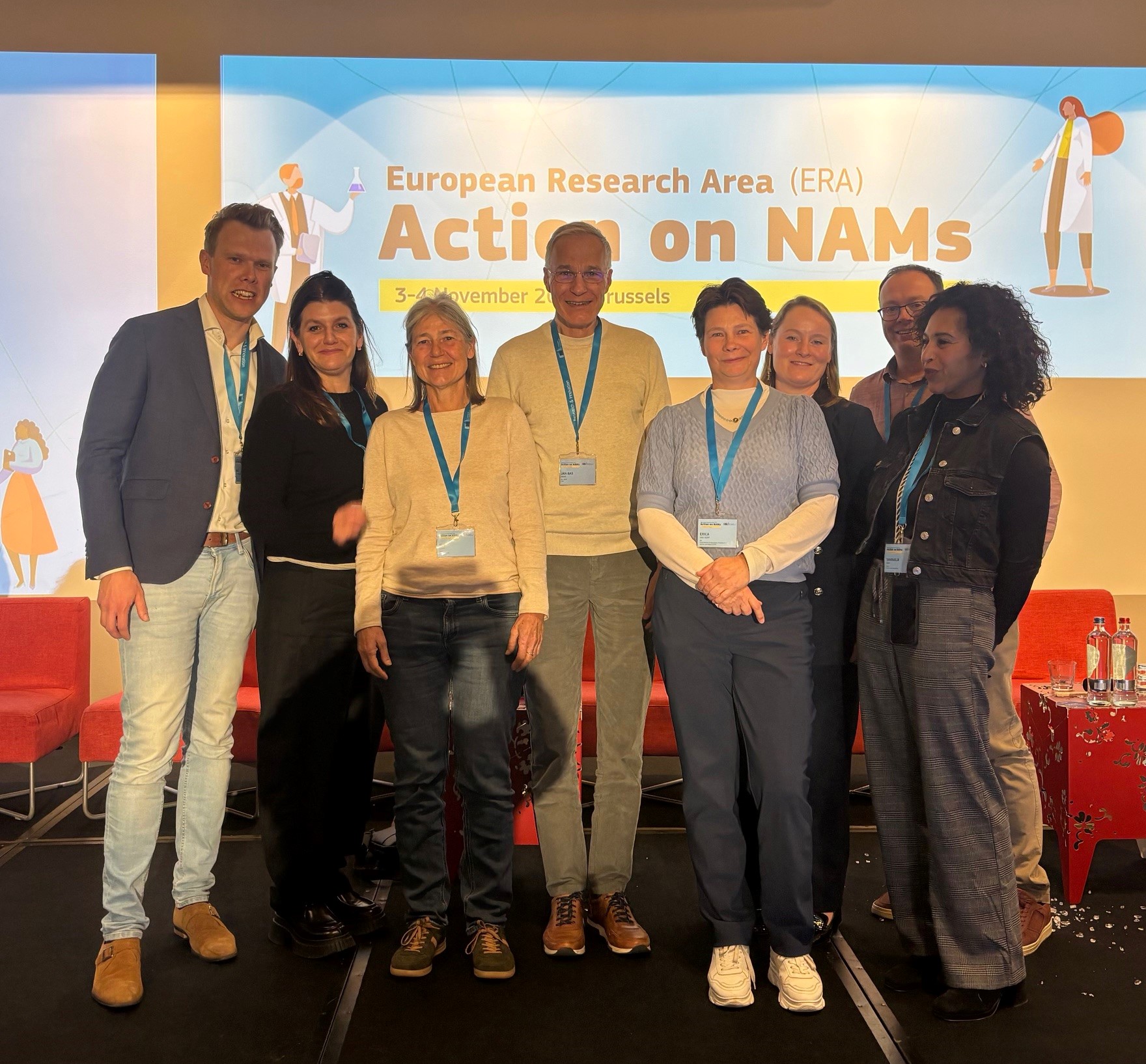
On 3–4 November, we also took part in the ERA Policy Action workshop on NAMs. hDMT is a member of three of its four working groups, contributing to work spanning infrastructure, prioritisation, validation and qualification, education and training, and openness and awareness. This work will help map the European NAM landscape and inform policy recommendations for the European Commission. As data collection gets underway, we will engage the hDMT community to contribute relevant input.
Different settings, different audiences, but a common thread: hDMT connects people and expertise while helping address the conditions needed for human models to make an impact. This busy month shows what that looks like in practice—from exchanging ideas within our theme groups to contributing to the European discussions shaping the field’s future.